
Concrete Conveyor Belts
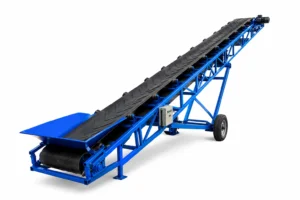
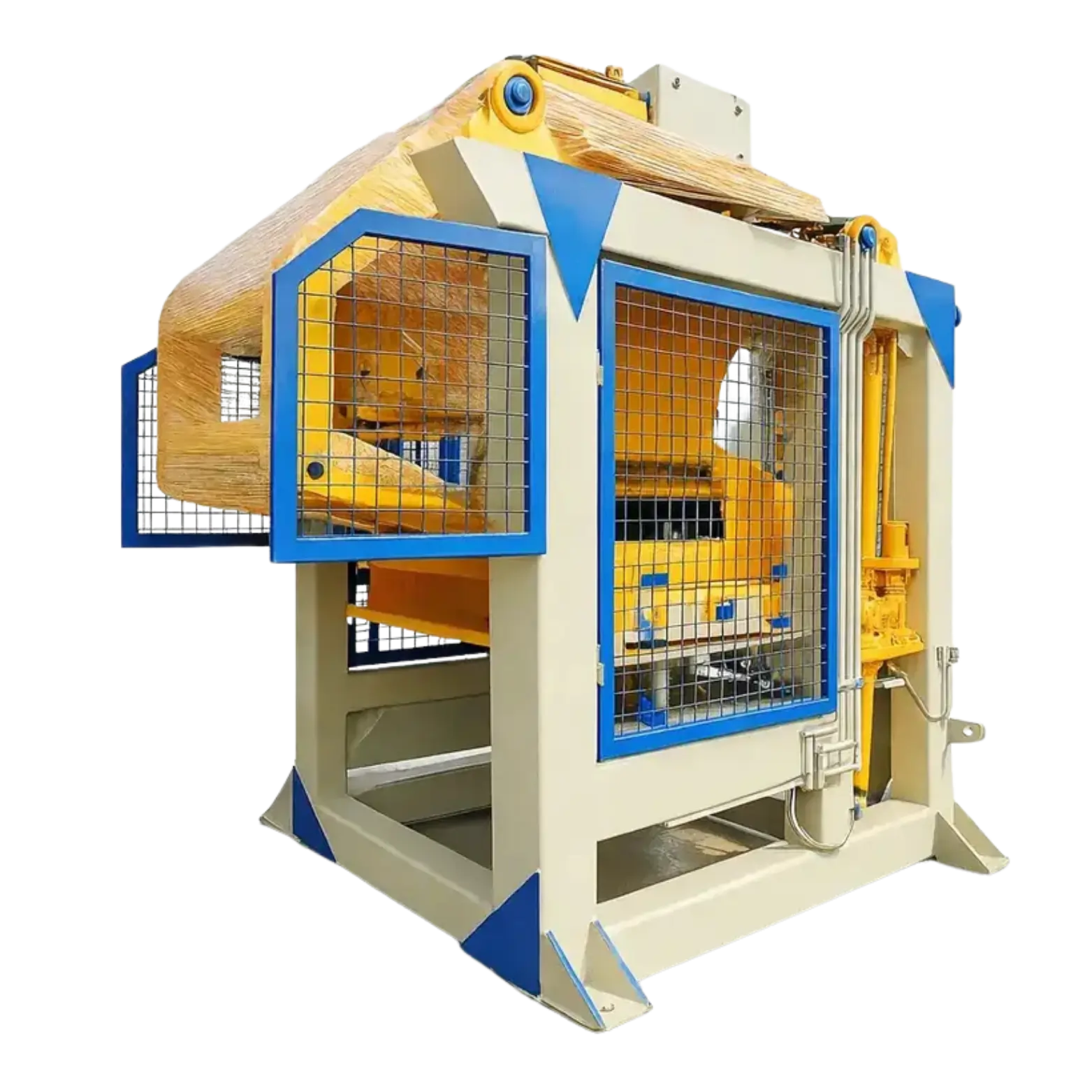
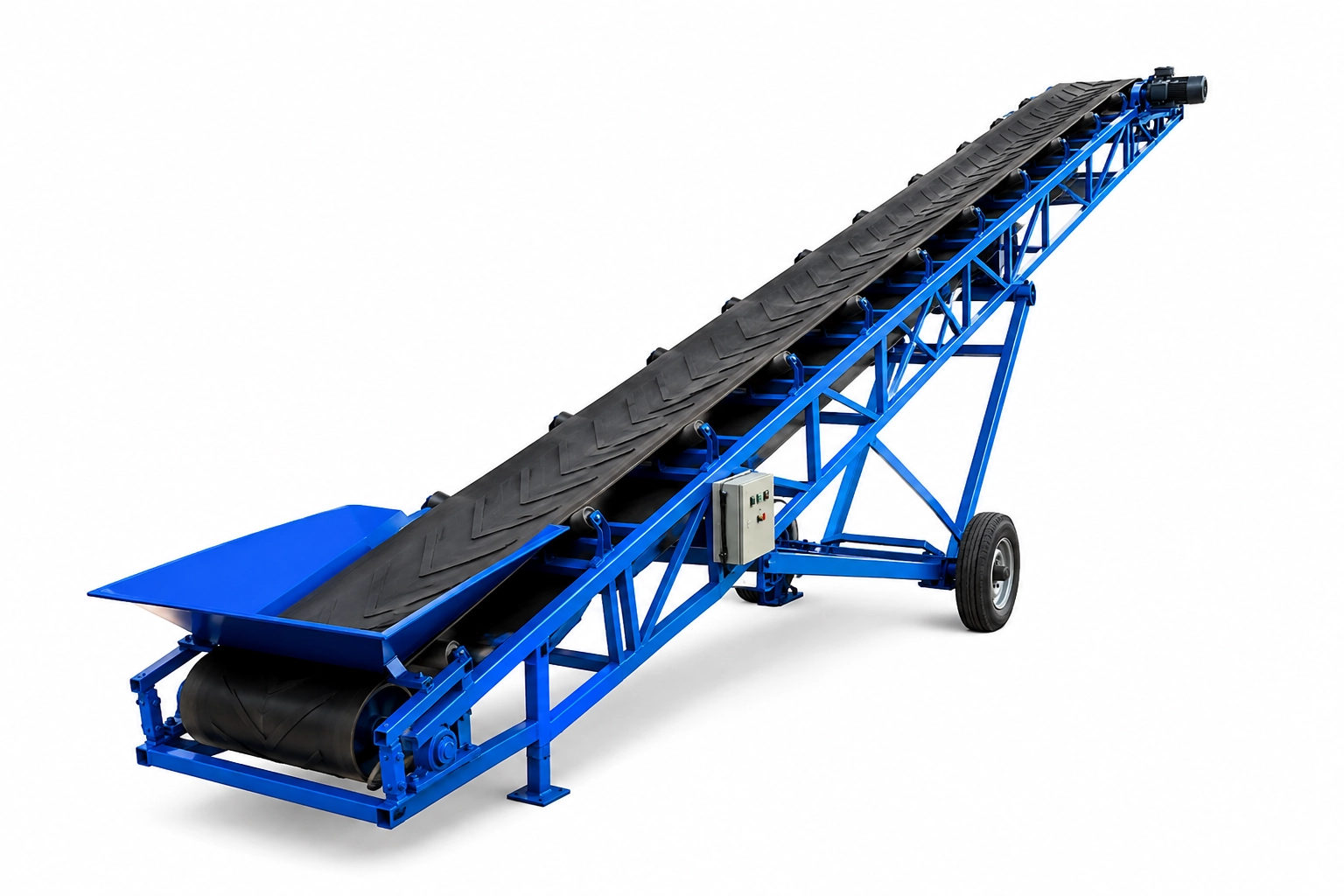
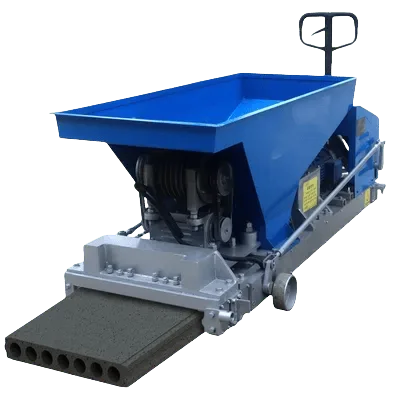
1 ProductsConcrete conveyors are efficient material handling systems used to transport wet concrete quickly and smoothly across construction sites and batching plants. Available in types such as belt, screw, bucket, and portable conveyors, they are designed to reduce manual labor, ensure continuous flow, and improve project efficiency. Key components include the conveyor system, motor, frame, rollers, and control unit, all working together to handle heavy loads with minimal wastage. Commonly used in construction, infrastructure, and industrial projects, these conveyors offer durability, easy operation, and low maintenance, making them a cost-effective solution for modern concrete handling needs. What Is a Concrete Conveyor? A concrete conveyor is a system used to transport freshly mixed concrete from one point to another efficiently. It is commonly used on construction sites and batching plants to move concrete quickly without manual handling. Simple Answer: A concrete conveyor helps move wet concrete smoothly and continuously, saving time and labor. Why Concrete Conveyors Are Important Concrete conveyors improve construction efficiency by: Reducing manual labor Ensuring continuous concrete flow Minimizing material loss Speeding up project timelines They are essential for projects where fast and consistent concrete placement is required. Types of Concrete Conveyors 1. Belt Conveyors Use a moving belt to transport concrete Suitable for horizontal and inclined movement Best for: Large construction sites and batching plants 2. Screw Conveyors Use a rotating screw mechanism Ideal for controlled and enclosed material transfer Best for: Cement and fine material handling 3. Bucket Conveyors Use buckets attached to a chain Designed for vertical lifting Best for: High-rise construction and vertical transport Portable Conveyors Easy to move and install Flexible for different project sites Best for: Temporary or mobile construction projects Key Features and Benefits Durable steel construction for long-term use Smooth and continuous material flow Adjustable speed control in advanced models Reduced labor and operational cost Easy installation and maintenance These features ensure faster work and consistent concrete delivery. Components of a Concrete Conveyor A typical concrete conveyor system includes: Conveyor Belt or Screw System Motor and Drive Unit Support Frame Structure Rollers and Idlers Control System (for automated models) Each component plays a role in maintaining smooth and efficient operation. Common Applications Concrete conveyors are widely used in: Construction sites Ready-mix concrete plants Infrastructure and road projects High-rise building construction Industrial production facilities Pricing of Concrete Conveyors The cost of concrete conveyors depends on type, length, capacity, and technical features. Basic conveyors are more affordable, while advanced and heavy-duty systems require higher investment. At KM Mughal, we offer high-performance concrete conveyors designed for durability and efficiency. Our solutions are suitable for both small construction projects and large industrial operations. Factors That Affect Pricing Conveyor type (belt, screw, bucket) Length and capacity Motor power and automation level Build quality and materials Customization requirements Smart Tip: Choose a conveyor based on your project scale and material flow needs, not just price. What Makes a Good Concrete Conveyor? A high-quality conveyor should: Maintain consistent material flow without blockage Handle heavy loads without breakdown Operate smoothly with minimal vibration Be easy to clean and maintain Poor-quality conveyors often cause delays and material wastage. Common Mistakes to Avoid Choosing the wrong conveyor type Ignoring capacity requirements Not considering site layout Overlooking maintenance needs FAQs What is a concrete conveyor used for? It is used to transport wet concrete efficiently across a construction site. Which type of conveyor is best for concrete? Belt conveyors are commonly used for general applications, while screw conveyors are ideal for controlled material flow. Can concrete conveyors be used for vertical transport? Yes, bucket conveyors are designed for vertical movement. How much does a concrete conveyor cost? Prices vary depending on type, size, and features. Are concrete conveyors better than manual transport? Yes, they save time, reduce labor, and improve efficiency. Can conveyors handle heavy concrete loads? Yes, high-quality conveyors are designed for heavy-duty use. Is installation complicated? Most conveyors are designed for easy installation and setup. Do concrete conveyors require maintenance? Yes, regular maintenance ensures long-term performance.
Concrete mixer machines
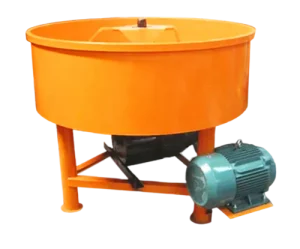
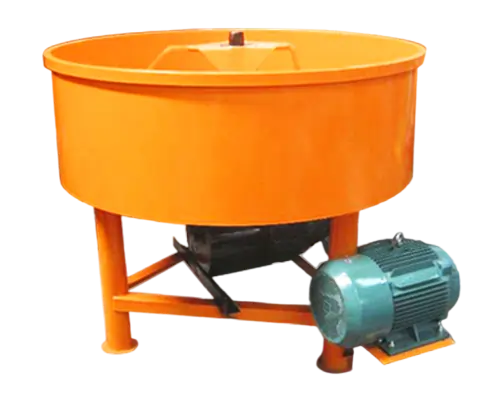
18 ProductsConcrete mixer machines are essential for mixing cement, sand, water, and aggregates into uniform concrete for all types of construction projects. Available in drum, portable, pan, and automatic models, they improve efficiency, reduce labor, and ensure consistent quality. KM Mughal offers reliable concrete mixer machines across Pakistan and globally, helping businesses choose the right solution based on capacity, performance, and price for better project outcomes. What Is a Concrete Mixer Machine? A concrete mixer machine is a construction machine used to mix cement, sand, water, and aggregates to produce uniform concrete. It ensures consistent mixing quality for building projects, saving time and labor compared to manual mixing. Simple Answer: A concrete mixer machine combines raw materials to create ready-to-use concrete efficiently. Why Concrete Mixer Machines Are Essential Typical buyer questions are: “best concrete mixer machine for construction” “small concrete mixer price” “automatic concrete mixer machine for sale” Concrete mixers are essential because they: Ensure uniform concrete mixing Save labor and time Improve construction quality Reduce material wastage Increase productivity on-site Whether for small projects or large construction work, a mixer machine is a must-have. Types of Concrete Mixer Machines 1. Drum Concrete Mixer Machine Also searched as: drum mixer, site mixer Rotating drum for mixing Easy to operate Available in tilting and non-tilting types Best for: Small to medium construction projects 2. Portable Concrete Mixer Machine Also searched as: mini concrete mixer, small mixer machine Compact and easy to move Ideal for home construction and small jobs Best for: construction, small contractors 3. Self-Loading Concrete Mixer Machine Also searched as: automatic concrete mixer machine Loads, mixes, and discharges automatically Reduces need for manual labor Best for: Large construction projects and remote sites 4. Pan Concrete Mixer Machine Also searched as: pan mixer for concrete, tile mixer machine High-speed mixing Produces high-quality concrete Best for: Block making, paver production, and precast work Key Features and Benefits Strong steel body for durability Efficient mixing blades for uniform consistency Easy operation and maintenance Fuel or electric options available Time-saving and cost-effective solution These features make concrete mixers reliable for all types of construction work. Components of a Concrete Mixer Machine A standard concrete mixer includes: Mixing drum or pan Motor or engine Mixing blades Frame and wheels (for portable units) Control system (in automatic machines) Each component ensures smooth mixing and long-term performance. Common Applications Concrete mixer machines are widely used in: Residential construction Commercial building projects Road and infrastructure development Block and paver manufacturing Industrial construction sites Pricing of Concrete Mixer Machines Users often search: “concrete mixer machine price in Pakistan” “mini concrete mixer price” The price of a concrete mixer machine depends on its type, capacity, and automation level. Small portable mixers are more affordable, while self-loading and automatic mixers cost more due to advanced features. At KM Mughal, we offer a wide range of concrete mixer machines designed for durability, efficiency, and long-term performance. Our machines are suitable for both small contractors and large construction companies. Factors Affecting Price Machine type (drum, pan, self-loading) Capacity (liters or cubic meters) Power source (electric or diesel) Build quality and materials Automation level Smart Tip: Choose a machine based on daily usage and project size instead of just price. How to Choose the Best Concrete Mixer Machine Users ask: “Which concrete mixer should I buy?” Consider these factors: Project size and workload Required mixing capacity Portability needs Budget and long-term use Power availability (electric or diesel) This ensures better performance and return on investment. What Makes a Good Concrete Mixer Machine? A high-quality concrete mixer should: Mix materials evenly without lumps Operate smoothly with low noise Handle continuous work without overheating Require minimal maintenance Low-quality mixers often result in weak concrete and project delays. Common Mistakes to Avoid Buying low-capacity machines for large projects Ignoring power requirements Choosing the wrong mixer type Not checking build quality FAQs What is a concrete mixer machine used for? It is used to mix cement, sand, and water to produce concrete. Which type of concrete mixer is best? Drum mixers are best for small projects, while self-loading mixers are ideal for large-scale construction. What is the price of a concrete mixer machine? Prices vary based on type, size, and features. Can I use a mixer for small construction work? Yes, portable mixers are perfect for small projects. Is an automatic concrete mixer worth it? Yes, it saves time, reduces labor, and improves efficiency. How much concrete can a mixer produce? It depends on capacity, ranging from small batches to large volumes.
Concrete vibration Tables
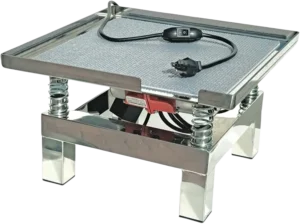
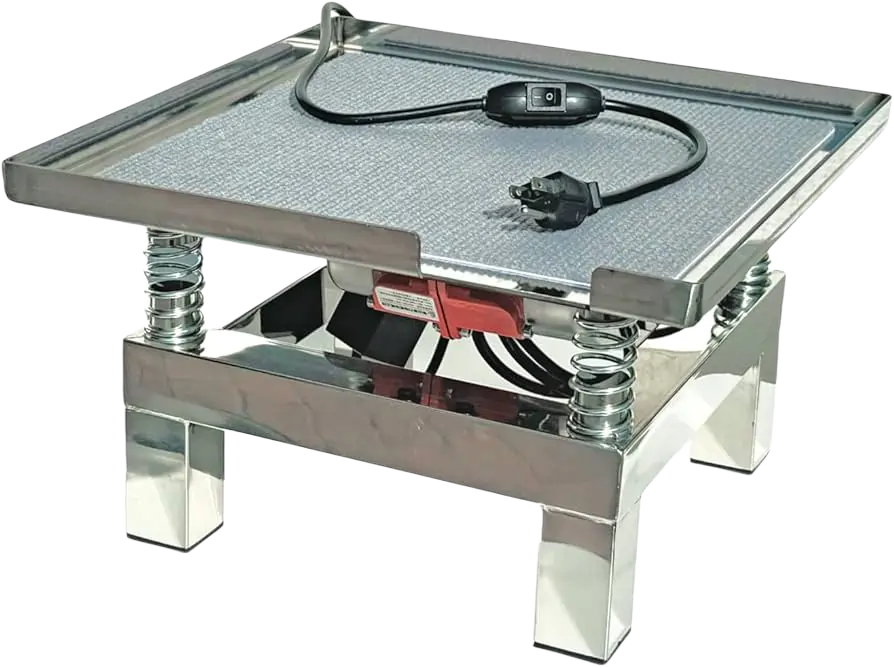
1 ProductsConcrete vibration tables are specialized industrial equipment used to compact freshly poured concrete in moulds by applying controlled vibration. This process removes air gaps, increases density, and ensures smooth, high-strength finishing for products like concrete blocks, tuff tiles, pavers, and precast elements. Simple Meaning: A concrete vibration table is a machine that shakes moulds filled with concrete to make them stronger, denser, and more uniform. What Users Usually Search Before Buying Are you looking for answers like: “Concrete vibration table price in Pakistan” “Best vibration table for paver and block making” “Industrial vibration table for concrete molds” “How does a concrete vibration table work?” “Heavy-duty vibration table for tuff tile production” This page is designed to help you choose the right vibration table for your production needs. Types of Concrete Vibration Tables 1. Standard Vibration Table Basic vibration system Suitable for small-scale production Best for: Small block and tile manufacturers 2. Heavy-Duty Vibration Table High-frequency vibration Strong steel structure Best for: Industrial production units 3. Hydraulic Vibration Table Combined vibration and pressure system High compaction efficiency Best for: Large-scale precast and tile factories 4. Custom Mold Vibration Table Designed for specific mould sizes Flexible production use Best for: Specialized manufacturing setups Key Features and Benefits High-frequency vibration system for strong compaction Reduces air bubbles and voids in concrete Improves product strength and durability Heavy steel body for long-term use Easy operation with low maintenance These features ensure high-quality output and consistent production results. How a Concrete Vibration Table Works Concrete is poured into molds placed on the table The machine generates controlled vibration Air pockets are removed from the mixture Concrete settles evenly inside the mold Finished product becomes dense and strong after curing This process significantly improves product quality and strength. Components of a Vibration Table Steel table frame Electric vibration motor Spring or rubber mounting system Control panel (in advanced models) Mold support platform Applications Concrete vibration tables are widely used in: Tuff tile production units Concrete block manufacturing Paver tile factories Precast concrete industries Construction material plants Pricing of Concrete Vibration Tables The cost of vibration tables depends on size, motor power, vibration frequency, and build quality. Standard tables are more affordable, while heavy-duty and hydraulic systems require higher investment due to increased performance and durability. At KM Mughal, we supply high-performance concrete vibration tables designed for long-term industrial use, suitable for both local and international construction manufacturing businesses. Factors Affecting Price Table size and load capacity Motor power and vibration strength Steel quality and structure Automation level Custom design requirements Smart Tip: Choose a vibration table based on production load, not just price. Why Choose KM Mughal? Trusted manufacturer of construction machinery Durable industrial-grade vibration tables High-performance vibration technology Competitive pricing in Pakistan and global markets Custom solutions for different production setups How to Choose the Right Vibration Table Users often ask: “Which vibration table is best for my factory?” Consider: Type of product (tiles, blocks, pavers) Daily production requirement Mold size and weight Power availability Factory space and layout Common Mistakes to Avoid Choosing low-power motors for heavy production Ignoring mold compatibility Selecting unstable table frames Not considering continuous operation needs What Makes a Good Vibration Table? A high-quality vibration table should: Deliver uniform and consistent vibration Support heavy molds without deformation Operate smoothly without excessive noise Increase concrete density effectively Poor vibration tables result in weak and uneven products. FAQs What is a concrete vibration table used for? It is used to compact concrete in molds for stronger and smoother products. Which industries use vibration tables? They are used in block making, tile production, and precast industries. What is the price of a vibration table? Price depends on size, motor power, and design. Can it be used for tuff tile production? Yes, it is widely used for tuff tiles and pavers. Is maintenance required? Yes, regular inspection ensures long-term performance.
Concrete tuff tile & block making machine moulds
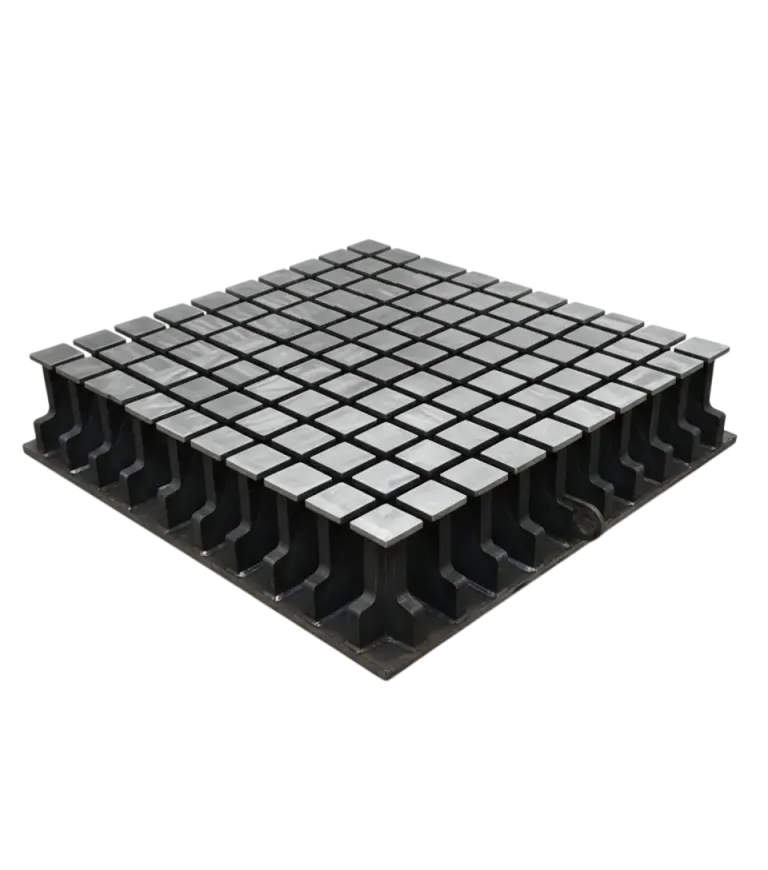
54 ProductsConcrete Tuff Tile & Block Making Machine Moulds are precision-engineered steel molds used in block and tile making machines to shape concrete into interlocking pavers, tuff tiles, solid blocks, and hollow blocks with accurate size and durable finishing. These moulds are essential for ensuring uniform product quality, smooth surface finish, and high production efficiency, while reducing breakage and material waste. Available in various designs and customizable options, KM Mughal provides high-quality moulds in Pakistan and globally, suitable for different machine types and industrial production needs. What Are Tuff Tile & Block Machine Moulds? Concrete tuff tile and block machine moulds are specially designed moulds used in block and tile making machines to shape concrete into precise forms such as interlocking pavers, tuff tiles, and construction blocks. These moulds play a critical role in determining the size, design, strength, and finish of the final product. Simple Explanation: Moulds are the shaping tools that give concrete tiles and blocks their exact design and dimensions. Why Mould Quality Matters Users often underestimate mould importance, but high-quality moulds: Ensure accurate shape and uniform size Improve surface finishing of tiles and blocks Increase production efficiency Reduce breakage and rejection rate Extend machine performance The better the mould, the better your final product quality. What Users Are Searching Before Buying Are you looking for answers like: “Tuff tile mould price in Pakistan” “Interlocking paver mould designs” “Best block making machine moulds supplier” “Concrete tile mould types and sizes” “Heavy-duty moulds for block machines” This page is designed to help you find the right moulds for your production needs. Types of Tuff Tile & Block Moulds 1. Interlocking Paver Moulds Zig-zag, I-shape, and custom designs Used for roads, driveways, and flooring Best for: Paver tile production 2. Solid Block Moulds Standard rectangular shapes High-strength construction blocks Best for: Building construction 3. Hollow Block Moulds Designed with cavities Lightweight and cost-efficient Best for: Structural and partition walls 4. Designer Tile Moulds Decorative patterns and textures Used for landscaping and outdoor design Best for: Aesthetic and architectural projects Key Features and Benefits High-grade steel construction Precision cutting for accurate shaping Long-lasting durability under pressure Smooth surface finishing Easy installation and replacement These features ensure consistent production and reduced downtime. Components of a Mould System A complete mould setup includes: Mold frame Core inserts (for hollow blocks) Top plate and bottom plate Locking and alignment system Each part ensures proper shaping and easy operation. Applications of Moulds These moulds are widely used in: Tuff tile production units Block making factories Road and paving projects Construction and landscaping work Pricing of Tuff Tile & Block Moulds The cost of moulds depends on size, design, material quality, and customization. Standard moulds are more affordable, while designer and heavy-duty moulds may cost more due to precision engineering. At KM Mughal, we provide high-quality tuff tile and block making machine moulds designed for durability, accuracy, and long-term use. Our moulds are suitable for both local production in Pakistan and international markets. Factors Affecting Price Type and design of mould Steel quality and thickness Size and dimensions Customization requirements Production compatibility Smart Tip: Investing in high-quality moulds reduces long-term replacement cost and improves product quality. Why Choose KM Mughal? Trusted name in construction machinery Precision-engineered moulds Durable and wear-resistant materials Competitive pricing locally and globally Custom mould design options How to Choose the Right Mould Users often ask: “Which mould is best for my machine?” Consider: Machine compatibility Required product design Production volume Material strength and durability Ease of replacement and maintenance Common Mistakes to Avoid Choosing low-quality steel moulds Ignoring machine compatibility Selecting wrong design for market demand Not considering long-term wear and tear What Makes a Good Mould? A high-quality mould should: Maintain exact shape under pressure Resist wear and deformation Produce smooth and uniform products Fit perfectly with the machine Poor moulds lead to uneven shapes and higher rejection rates. FAQs What are concrete moulds used for? They are used to shape concrete into tiles, blocks, and pavers. Which mould is best for tuff tiles? High-quality steel moulds with precision design are best. What is the price of block moulds? Price depends on size, material, and design. Can moulds be customized? Yes, custom designs are available based on requirements. How long do moulds last? With proper care, high-quality moulds last for a long time.
Plastic moulds for concrete tiles & blocks
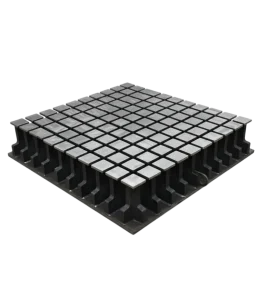
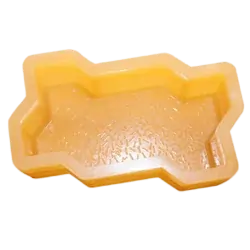
2 ProductsPlastic moulds for concrete tiles and blocks are lightweight, durable shaping tools used in construction manufacturing to produce paver tiles, interlocking blocks, and decorative concrete products. These moulds are made from high-strength plastic materials that provide smooth finishing, accurate dimensions, and easy demolding without damaging the final product. Simple Meaning: Plastic moulds are reusable plastic forms used to shape wet concrete into tiles and blocks with clean and uniform designs. What Users Usually Search Before Buying Are you searching for information like: “Plastic moulds for paver tiles price in Pakistan” “Best plastic molds for concrete blocks” “Interlocking tile plastic mould designs” “Durable plastic moulds for paving blocks” “Where to buy concrete tile moulds for business” This page is designed to help you choose the right mould for your production needs. Types of Plastic Moulds 1. Interlocking Paver Moulds Zig-zag, I-shape, and geometric designs Used for road and driveway paving Strong locking structure Best for: Outdoor flooring and road surfaces 2. Concrete Block Moulds Standard rectangular and hollow block shapes Lightweight and easy to handle Cost-effective production solution Best for: Construction block manufacturing 3. Decorative Tile Moulds Stylish patterns and textures Used for landscaping and aesthetic projects Available in multiple designs Best for: Gardens, walkways, and architectural flooring 4. Custom Design Moulds Made according to client requirements Flexible shapes and branding options Suitable for specialized projects Best for: Commercial and export businesses Key Features and Benefits Lightweight and easy to use Smooth surface finishing on concrete products Cost-effective compared to steel moulds Resistant to cracking and deformation Easy demolding without product damage These features make plastic moulds ideal for both small and large-scale production. How Plastic Moulds Work Wet concrete mixture is prepared Mould is filled with concrete Vibration or manual compaction is applied Concrete is allowed to set Finished tile or block is removed easily from mould This simple process ensures fast and efficient production. Applications Plastic moulds are widely used in: Paver tile production units Concrete block manufacturing Landscaping and outdoor design projects Road and driveway construction Small and large-scale precast industries Pricing of Plastic Moulds for Concrete Tiles & Blocks The cost of plastic moulds depends on design complexity, size, material quality, and durability. Simple block moulds are more affordable, while decorative and custom-designed moulds cost more due to advanced shaping and detailing. At KM Mughal, we provide high-quality plastic moulds designed for efficient and long-lasting production of concrete tiles and blocks, suitable for both local and international markets. Factors Affecting Price Mould design and pattern Plastic material quality Thickness and durability Customization requirements Order quantity Smart Insight: High-quality moulds reduce breakage and improve product finishing, increasing your profit margins. Why Choose KM Mughal? Reliable supplier of construction machinery accessories Durable and precision-made plastic moulds Wide range of designs and patterns Competitive pricing in Pakistan and global markets Custom mould manufacturing options How to Choose the Right Plastic Mould Users often ask: “Which plastic mould is best for my business?” Consider: Type of product (tile, block, or paver) Production volume Design requirements Durability needs Budget and scalability Common Mistakes to Avoid Choosing low-quality plastic that cracks easily Ignoring mould compatibility with machines Selecting designs without market demand Not considering long-term usage What Makes a Good Plastic Mould? A high-quality mould should: Maintain shape under pressure Provide smooth and clean finishing Be flexible for easy product release Resist wear and repeated use Poor moulds lead to uneven shapes and high rejection rates. FAQs What are plastic moulds used for? They are used to shape concrete into tiles, blocks, and pavers. Are plastic moulds better than steel moulds? Plastic moulds are more affordable and easier to use, while steel moulds are more durable for heavy production. What is the price of plastic moulds? Price depends on design, size, and material quality. Can plastic moulds be reused? Yes, high-quality moulds can be reused multiple times. Do plastic moulds affect product quality? Yes, good moulds improve finishing and accuracy of concrete products.
Ready mix plants
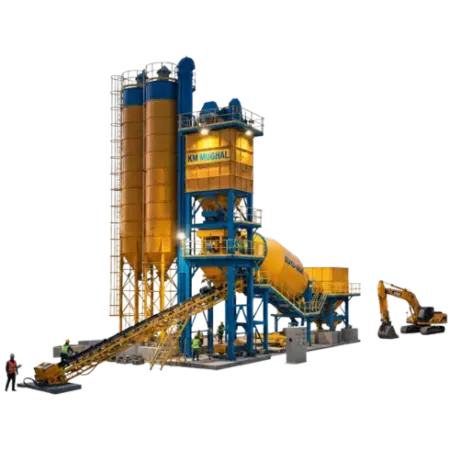
1 ProductsReady mix plants are industrial concrete production systems designed to prepare high-quality concrete in a controlled environment and supply it directly to construction sites in fresh and ready-to-use form. These plants accurately combine cement, sand, aggregates, water, and additives to ensure consistent strength, durability, and performance of concrete for all types of construction projects. Simple Meaning: A ready mix plant is a system that produces fresh, pre-mixed concrete in bulk and delivers it to construction sites for immediate use. Why Ready Mix Plants Are in High Demand Are you looking for answers like: “What is a ready mix concrete plant?” “Ready mix plant price in Pakistan” “Best concrete batching plant for construction business” “How does a ready mix plant work?” “Small vs large ready mix plant comparison” This page explains everything in a clear and practical way. Types of Ready Mix Plants 1. Stationary Ready Mix Plant Fixed installation setup High production capacity Suitable for long-term projects Best for: Large construction companies and infrastructure projects 2. Mobile Ready Mix Plant Portable and easy to relocate Quick installation Flexible usage across sites Best for: Contractors working on multiple locations 3. Compact Ready Mix Plant Space-saving design Moderate production capacity Easy operation system Best for: Medium construction businesses 4. Fully Automatic Batching Plant Computer-controlled system Precise material measurement Minimal human intervention Best for: Industrial-scale production units How a Ready Mix Plant Works Raw materials are stored in separate bins Cement, sand, aggregates, and water are measured accurately Ingredients are mixed in a central mixer Fresh concrete is prepared in controlled conditions Ready mix concrete is transported to construction sites 👉 This process ensures consistent quality and reduces material wastage. Key Features and Benefits Accurate batching and mixing system High-quality and consistent concrete output Reduced labor and manual errors Fast production and supply cycle Suitable for large-scale construction projects These advantages make ready mix plants essential for modern construction needs. Applications of Ready Mix Plants Ready mix plants are widely used in: Residential housing projects Commercial buildings Road and highway construction Bridges and infrastructure development Industrial construction projects Pricing of Ready Mix Plants The price of ready mix plants depends on production capacity, automation level, plant type, and technical configuration. Small compact plants are more affordable, while large stationary and fully automatic plants require higher investment due to advanced systems and high output capacity. At KM Mughal, we provide durable and efficient ready mix plant solutions designed for reliable concrete production in Pakistan and global markets. Factors Affecting Price Plant type (mobile, stationary, compact) Production capacity per hour Automation level Mixer and batching system quality Customization and project requirements Smart Insight: Choosing the right capacity ensures better productivity and long-term cost efficiency. Why Choose KM Mughal? Trusted manufacturer of construction machinery High-performance ready mix plant systems Durable and industrial-grade equipment Competitive pricing in local and global markets Custom-built solutions for different project needs How to Choose the Right Ready Mix Plant Users often ask: “Which ready mix plant is best for my business?” Consider: Project size and demand Required production capacity Site location and mobility needs Automation level Budget and future expansion plans Common Mistakes to Avoid Selecting low-capacity plants for large projects Ignoring site installation requirements Choosing incorrect mixer type Not planning future production growth What Makes a Good Ready Mix Plant? A high-quality plant should: Ensure accurate material batching Deliver consistent concrete quality Operate efficiently with minimal downtime Support continuous large-scale production Poor systems lead to inconsistent concrete and project delays. FAQs What is a ready mix plant used for? It is used to produce fresh concrete in controlled conditions for construction projects. What is the difference between mobile and stationary plants? Mobile plants are portable, while stationary plants are fixed and high-capacity. What is the cost of a ready mix plant? Cost depends on capacity, type, and automation level. Is a ready mix plant suitable for small businesses? Yes, compact plants are ideal for medium and small-scale contractors. Why is ready mix concrete better? It ensures consistent quality, saves time, and reduces material waste.
Total Categories: 21
-
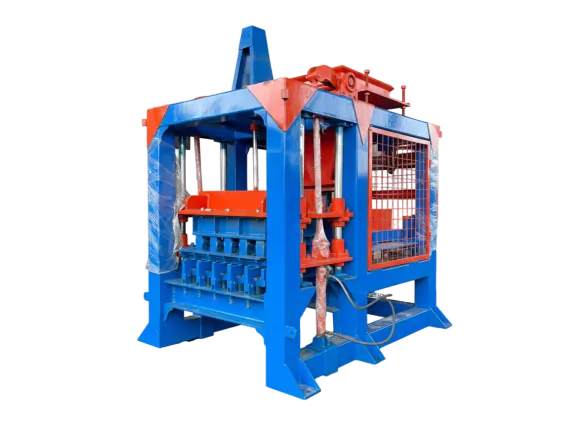
Concrete Block, Paver & Tuff Tile Machines (11)
-
Terrazzo Tile Making Machine (1)
-
Aggregate hoppers (16)
-
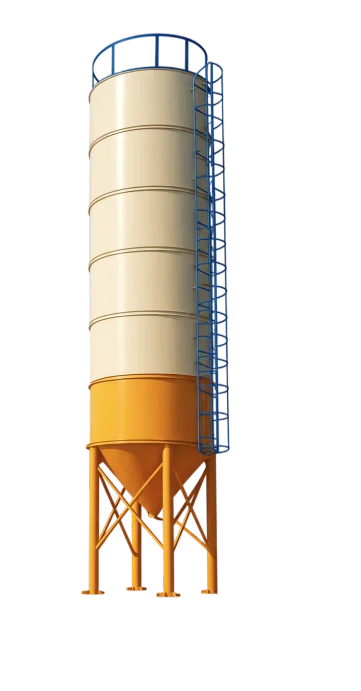
Cement silos (15)
-
Clay brick & block making machine (10)
-
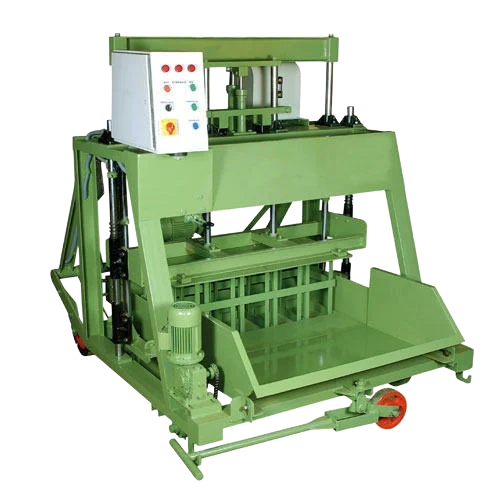
Concrete Egg laying Block making machine (1)
-
Concrete Conveyor Belts (1)
-
Concrete mixer machines (18)
-
Concrete vibration Tables (1)
-
Concrete tuff tile & block making machine moulds (54)
-
Plastic moulds for concrete tiles & blocks (2)
-
Ready mix plants (1)
-
Precast concrete machinery (1)
-
Stackers (1)
-
Machinery parts / accessories (1)
-
Concrete pipe making machinery (1)
-
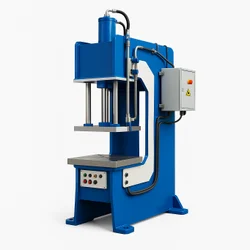
Hydraulic press machines (1)
-
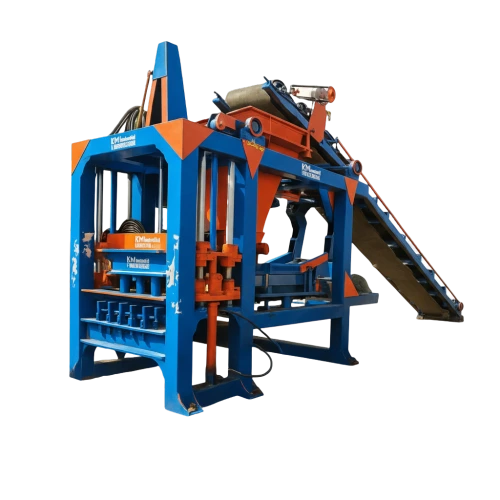
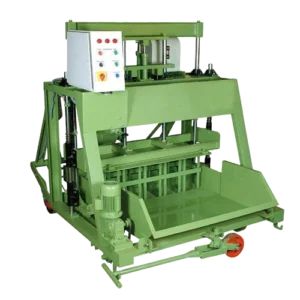
Concrete tuff tile & block making machine (22)
-
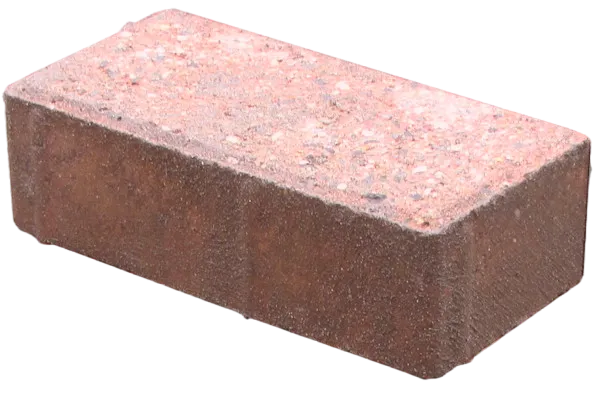
Paver tiles & blocks (1)
-
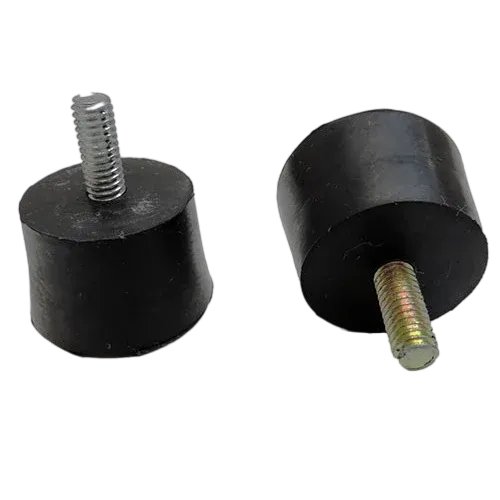
Rubber mountings (1)
-
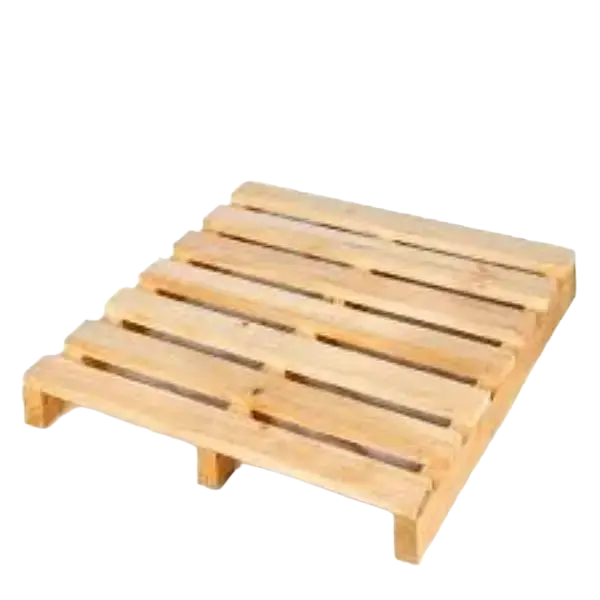
Wooden pallets or packing pallets (3)